

Since devolution began in 2013, several Kenyan governors have faced impeachment. Each case has tested the balance between the power of county assemblies to hold the executive to account and the right of a governor to a fair process. Here is how removal works.
The grounds
Article 181 of the Constitution allows a county governor to be removed on any of four grounds:
- gross violation of the Constitution or any other law;
- serious reasons to believe the governor has committed a crime under national or international law;
- abuse of office or gross misconduct; or
- physical or mental incapacity to perform the functions of the office.
Step 1: The county assembly
Under section 33 of the County Governments Act, a member of the county assembly moves a motion for removal, which must be supported by at least a third of all members. To pass, the motion needs the votes of at least two-thirds of all members of the assembly. The Speaker then informs the Speaker of the Senate.
Step 2: The Senate
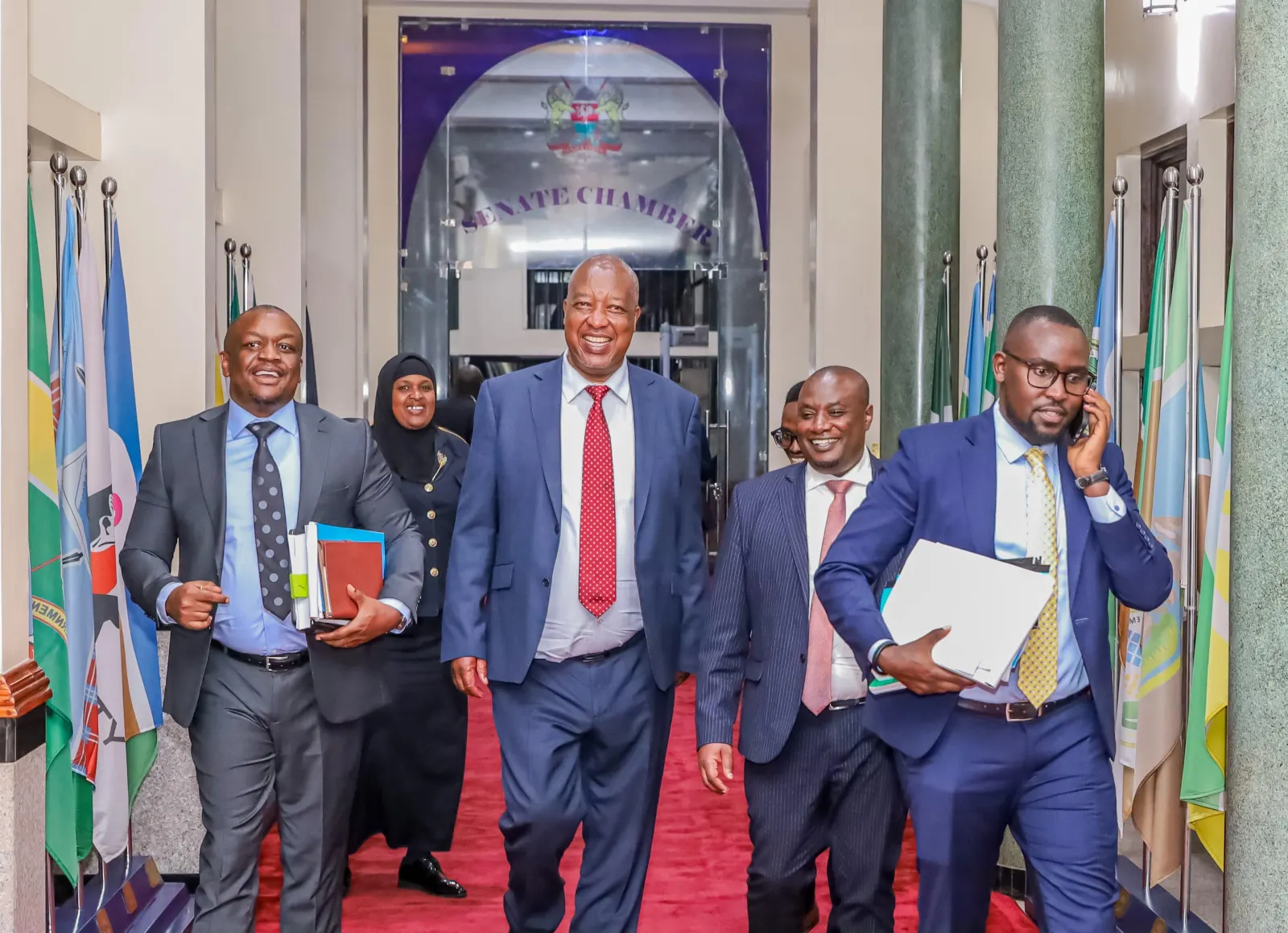
The Senate hears the charges, either in plenary or through a special committee that investigates and reports back. The governor has the right to appear and be represented. If the Senate upholds any charge, the governor ceases to hold office and the deputy governor assumes office.
Step 3: The courts
Courts do not decide whether a governor should be removed — that is a political decision for the assembly and the Senate. But courts can intervene where the process breaks the Constitution or the law, for example where:
- the required thresholds were not met;
- the governor was not given a fair opportunity to respond; or
- the requirement for public participation was ignored.
Why procedure matters
For county assemblies, a well-documented process protects the outcome from legal challenge. For governors and other officers, the procedure is often the strongest line of defence. In both cases, early legal advice makes a decisive difference.
Bonuke & Co. Advocates advises county assemblies, county executives and public officers on constitutional and governance disputes.